
Totaline Thermostat User Manual: A Comprehensive Guide
Welcome! This manual details the operation of Totaline P330 series thermostats, covering installation, settings, troubleshooting, and compatibility with various HVAC systems․
Totaline thermostats are designed for reliable and efficient control of your home or business’s heating and cooling systems․ These thermostats, including the popular P330 series, offer user-friendly interfaces and compatibility with a wide range of HVAC equipment․ Whether you have a simple furnace and air conditioner or a more complex heat pump system, Totaline provides a solution․
This manual serves as a comprehensive guide to understanding and operating your Totaline thermostat․ It covers everything from initial setup and daily operation to troubleshooting common issues․ You’ll find detailed instructions on navigating the display, adjusting settings, and maximizing energy savings․ Visit www․Totaline․com for additional resources and support․
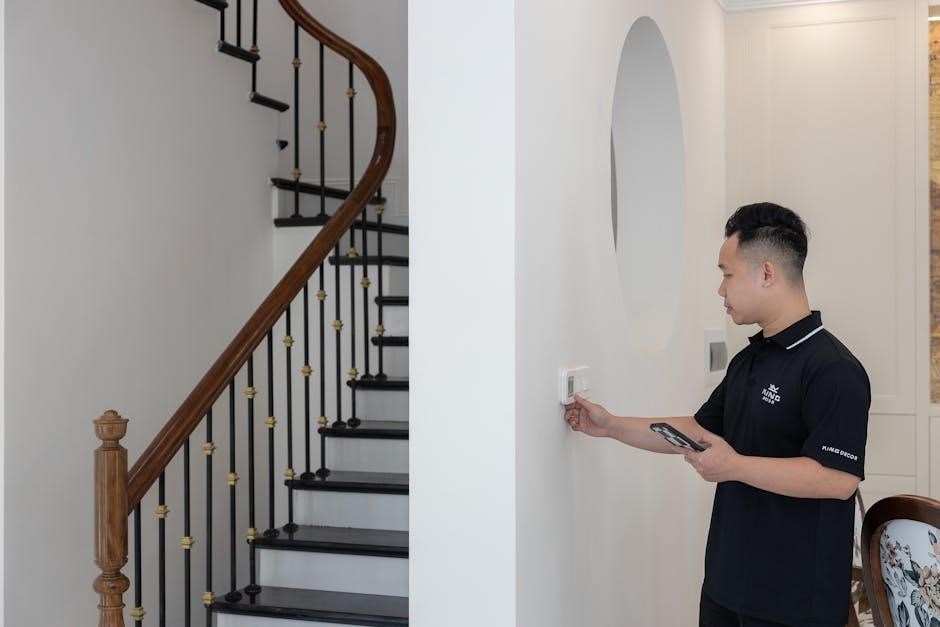
Understanding Totaline P330 Series
The Totaline P330 series encompasses both non-programmable and smart thermostats, offering flexibility to suit diverse needs․ These models, like the 1H/1C and 2H/2C versions, are known for their straightforward operation and dependable performance․ They are designed for use with most air conditioning and heating systems, including electric cooling, gas heating, heat pumps, and hydronic heat․
Key features include easy-to-read displays, intuitive button controls for temperature adjustment and mode selection, and options for automatic or manual fan control․ The P330 series also supports emergency and auxiliary heat functions․ Detailed information and support can be found at www․Totaline․com․
Thermostat Compatibility: Systems Supported
Totaline P330 thermostats demonstrate broad compatibility, functioning effectively with a wide array of heating and cooling systems․ These thermostats are designed for use with 1 or 2-stage electric cooling and gas heating configurations․ Furthermore, they seamlessly integrate with heat pump systems, offering efficient climate control․
Support extends to both electric and hydronic (water-based) heating solutions, providing versatility for diverse home setups․ Importantly, these models meet California Title 24 standards, ensuring energy efficiency․ The P330 series is suitable for residential applications, offering reliable operation across various HVAC setups․

Supported Heating Systems
The Totaline P330 thermostat effectively supports several common heating system types․ It’s compatible with gas heating systems, providing precise temperature regulation for fuel-based warmth․ Electric heating is also fully supported, catering to homes utilizing resistance heating elements․ For those with hydronic (water-based) heating, the P330 offers seamless integration and control․
Additionally, the thermostat works with heat pumps, optimizing energy efficiency during colder months․ It can manage both single-stage and two-stage heating systems, adapting to different heating capacities․ This broad compatibility ensures a comfortable and efficient heating experience for a wide range of homes․
Supported Cooling Systems
Totaline P330 thermostats demonstrate excellent compatibility with a variety of cooling systems commonly found in residential and commercial settings․ It seamlessly integrates with single-stage and two-stage electric cooling systems, providing reliable temperature control․ Central air conditioning systems are fully supported, ensuring efficient and consistent cooling throughout your space․
Furthermore, the thermostat is designed to work with heat pump cooling modes, optimizing performance and energy savings․ It’s adaptable to different cooling capacities, offering flexibility for various home sizes․ This broad support ensures a comfortable indoor climate, regardless of your cooling system type․
Initial Setup and Installation
Proper installation is crucial for optimal performance․ Begin by carefully removing your old thermostat, labeling wires for easy reconnection․ Important: Turn off AC power at the breaker before proceeding! Connect the wires to the corresponding terminals on the Totaline thermostat baseplate, referencing the wiring diagram included․
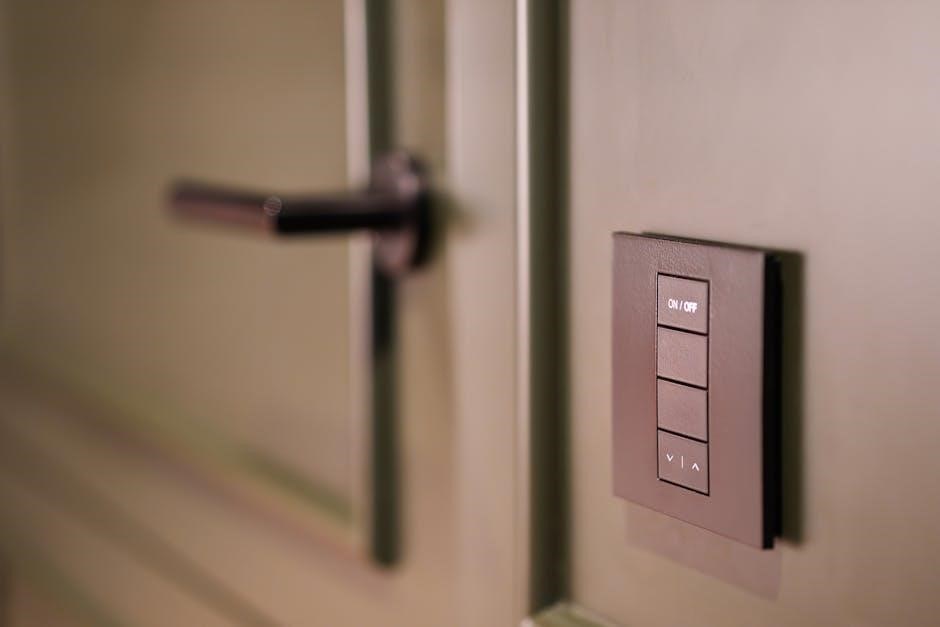
Ensure a secure mounting to the wall․ Once wired, attach the thermostat body to the baseplate․ Installation requires either AC power or fresh alkaline batteries (P330-0110AAA or P330-0220AA)․ Verify correct power source connection before proceeding to configuration․

AC Power and Battery Installation
The Totaline thermostat can operate using either 24VAC power from your HVAC system or with two fresh alkaline batteries as a backup or primary power source․ If using AC power, ensure it’s connected correctly to the designated terminals on the thermostat baseplate․
For battery operation, insert two new alkaline batteries – recommended types are P330-0110AAA or P330-0220AA – into the battery compartment, observing the correct polarity (+ and -)․ The thermostat will display a low battery indicator when replacement is needed․ Always disconnect AC power when installing batteries․
Navigating the Thermostat Interface
The Totaline thermostat features a clear, user-friendly interface․ The display prominently shows the current set temperature, the room temperature, and the operating mode (Heat, Cool, Auto)․ Key indicators illuminate to signal system status – heating, cooling, or fan operation․
Buttons labeled “UP” and “DOWN” adjust the set temperature․ The “FAN” button toggles between “Auto” and “On” fan settings․ The display also indicates “RESIDENTIAL” to confirm application․ Familiarize yourself with these elements for efficient control of your home’s comfort․ Refer to the display overview for detailed explanations of each icon․
Display Overview and Key Indicators
The Totaline thermostat display presents crucial information at a glance․ You’ll see the current time (e․g․, 0:Pm, 0:Su), set temperature, and measured room temperature (e․g․, 74)․ Operating mode indicators – HEAT, COOL, AUTO – clearly show the system’s status․
Illuminated icons signal active functions․ A lit fan icon indicates the fan is “On,” while no illumination signifies “Auto․” The display also confirms “RESIDENTIAL” application․ Understanding these indicators allows for quick assessment of your system’s operation and ensures optimal comfort control․ Consult the manual for a complete key to all display symbols․
Operating Modes: Heat, Cool, and Auto
Totaline thermostats offer three primary operating modes: Heat, Cool, and Auto․ In Heat mode, the thermostat activates the heating system when the room temperature falls below the setpoint․ Cool mode initiates cooling when the temperature exceeds the setpoint․
Auto mode intelligently switches between heating and cooling to maintain the desired temperature, ideal for fluctuating weather․ Selecting a mode is typically done via dedicated buttons on the thermostat interface․ The currently active mode is prominently displayed on the screen, ensuring you know how your system is operating at all times․
Fan Control: Auto vs․ On
The Totaline thermostat provides two fan control settings: Auto and On․ Selecting Auto means the fan operates only during heating or cooling cycles, enhancing energy efficiency and promoting even temperature distribution․ When set to On, the fan runs continuously, regardless of whether heating or cooling is active․
Continuous fan operation can improve air circulation and filtration, but it consumes more energy․ To switch between these modes, simply press the FAN button on the thermostat․ The display will clearly indicate the selected fan setting, allowing for easy adjustment based on your comfort preferences and energy-saving goals․
Temperature Adjustment
Adjusting the desired temperature with your Totaline thermostat is straightforward․ Utilize the UP and DOWN buttons located on the thermostat’s faceplate․ Each press of these buttons will incrementally increase or decrease the set temperature by one degree․ The current setpoint is prominently displayed on the thermostat’s screen, providing clear visual feedback․
These buttons allow for precise temperature control, ensuring optimal comfort levels․ Remember to allow sufficient time for the system to respond to temperature changes; Adjustments are made relative to the current room temperature, so patience is key for achieving your desired climate․
Using the UP and DOWN Buttons
The UP and DOWN buttons are your primary interface for temperature control․ A single press of the UP button raises the set temperature by one degree Fahrenheit (or Celsius, depending on your setting)․ Conversely, pressing the DOWN button lowers the set temperature by one degree․ The display immediately reflects these changes, showing the new desired temperature․
Hold the buttons for faster adjustment, but be mindful to avoid overshooting your target temperature․ These buttons also function during time setting; holding the FAN button while using UP/DOWN adjusts the hour․ Familiarize yourself with their dual functionality for efficient operation․
Time Setting and Adjustment
Accurate timekeeping is crucial for programmed schedules, if your model supports them․ To adjust the time, begin by pressing and holding the FAN button․ While holding FAN, use the UP and DOWN buttons to increment or decrement the hour․ Release the FAN button once the desired hour is displayed․ Repeat this process to adjust the minutes, again using the UP and DOWN buttons while holding the FAN button․
Ensure the correct AM/PM designation is visible on the display․ Proper time setting ensures your thermostat operates according to your intended schedule․
Adjusting Time by Hours
For quick time adjustments, specifically changing the hour, a dedicated method is available․ Press and hold the FAN button on your Totaline thermostat․ While continuously holding the FAN button, simultaneously press either the UP or DOWN buttons․ Each press of UP will advance the hour forward, while DOWN will move it backward․
Continue pressing UP or DOWN until the correct hour is displayed․ Release both buttons to confirm the change․ This method streamlines hour adjustments, offering a faster alternative to navigating through minutes․
Emergency Heat and Auxiliary Heat Functions
Totaline thermostats offer both Emergency Heat and Auxiliary Heat functionalities, crucial for maintaining comfort during heating system failures․ Emergency Heat activates when the primary heating source is unavailable, utilizing electric resistance heat․ This mode overrides programmed settings, providing consistent warmth․
Auxiliary Heat supplements the primary heating system during extremely cold temperatures, ensuring adequate heating capacity․ It engages automatically when the primary heat struggles to maintain the set temperature․ Understanding these functions ensures optimal heating performance and prevents discomfort during challenging weather conditions․
Troubleshooting Common Issues
Compressor Lockout indicates a potential problem with the air conditioning system, preventing compressor operation to avoid damage․ This often requires professional service․ Display Problems, such as a blank screen, can usually be resolved by checking battery levels or AC power connections․ If issues persist, try resetting the thermostat․
For further difficulties, consult the manual’s detailed troubleshooting section or visit www․Totaline․com for support․ Remember to always prioritize safety and contact a qualified HVAC technician for complex repairs․
Compressor Lockout
Compressor Lockout is a safety feature activated when the thermostat detects a potential issue with the air conditioning system․ This prevents damage to the compressor by halting its operation․ Common causes include low refrigerant levels, overheating, or electrical faults․
If a lockout occurs, the thermostat may display an error code․ Do not attempt to restart the compressor yourself; this requires a qualified HVAC technician to diagnose and resolve the underlying problem․ Ignoring a compressor lockout can lead to costly repairs․
Display Problems
Display issues on your Totaline thermostat can range from a completely blank screen to dim or flickering numbers․ First, ensure the thermostat receives adequate power – check AC power connection and battery levels․ If the display is dim, try increasing the brightness setting, if available․
A blank display often indicates a power failure or a faulty thermostat․ If fresh batteries and proper wiring don’t resolve the issue, or if the display shows garbled characters, contact a qualified HVAC technician for assistance․ Avoid attempting self-repair, as it may void the warranty․
Battery Replacement
Maintaining your Totaline thermostat requires periodic battery replacement to ensure continuous operation, especially during power outages․ The thermostat accepts fresh alkaline batteries for optimal performance․ Low battery power can cause inaccurate temperature readings or display issues․
Totaline recommends using either P330-0110AAA or P330-0220AA alkaline batteries․ Always insert batteries with correct polarity as indicated inside the battery compartment․ Replace all batteries at once for consistent performance․ Dispose of used batteries responsibly, following local regulations․
Recommended Battery Type: Alkaline
For reliable and consistent performance of your Totaline thermostat, alkaline batteries are strongly recommended․ These batteries provide the stable voltage required for accurate temperature sensing and display functionality․ Avoid using heavy-duty or rechargeable batteries, as they may not deliver the correct voltage or have a suitable discharge rate․
Using the correct battery type extends the lifespan of your thermostat and minimizes the risk of inaccurate readings or operational errors․ Totaline specifically suggests P330-0110AAA and P330-0220AA alkaline batteries for optimal compatibility and longevity․
Battery Part Numbers (P330-0110AAA, P330-0220AA)
To ensure seamless operation and compatibility with your Totaline P330 series thermostat, utilizing the recommended battery part numbers is crucial․ Totaline specifically designates P330-0110AAA and P330-0220AA as the preferred alkaline battery options․ These batteries have been tested and verified to deliver the optimal voltage and performance characteristics required by the thermostat’s internal circuitry․
Using these designated part numbers minimizes the risk of malfunctions, inaccurate temperature readings, or reduced battery life․ While other alkaline batteries may function, Totaline guarantees performance with P330-0110AAA and P330-0220AA․
Understanding Manual and Auto-Changeover
Totaline thermostats offer both Manual and Auto-Changeover modes for systems capable of both heating and cooling․ Manual Changeover requires the user to explicitly switch between Heat and Cool modes as the seasons change, providing direct control․ Auto-Changeover intelligently manages this transition automatically, based on detected temperature differences․
When Auto-Changeover is enabled, the thermostat monitors indoor temperature and switches to heating if it drops below the setpoint, and to cooling if it rises above․ This feature simplifies operation and maintains consistent comfort․ Refer to your thermostat’s settings to select the preferred changeover mode․

Residential vs․ Commercial Applications
Totaline thermostats, particularly the P330 series, are widely applicable in both residential and light commercial settings․ Residential applications typically involve standard 1 or 2-stage heating and cooling systems found in homes․ Commercial installations may require consideration of longer operating hours and potentially more complex HVAC configurations․
While the core functionality remains consistent, commercial users might benefit from advanced programming features (available in programmable models) to optimize energy usage during varied occupancy schedules․ Ensure the selected thermostat model meets the specific demands of the intended application for optimal performance and efficiency․
California Title 24 Compliance
Totaline thermostats are designed to meet the stringent energy efficiency standards set by California’s Title 24 regulations․ This compliance ensures reduced energy consumption and supports California’s sustainability goals․ Specifically, certain Totaline models feature demand response capabilities, allowing for automated adjustments during peak energy demand periods․
Installation within California requires adherence to Title 24 guidelines, including proper configuration of programmable features and potential communication with smart grid systems․ Verify the specific model’s compliance documentation to ensure it meets the requirements for your installation location․
Totaline Thermostat Contents and Index
This manual is structured for easy navigation, with each section’s first page providing a detailed contents overview․ The Table of Contents divides thermostat features into logical sections, enabling quick information retrieval․ An extensive index is also included, allowing users to locate specific details efficiently․
The index lists keywords and topics alphabetically, directing you to the relevant page numbers․ Utilize both the Table of Contents and the Index to swiftly find information regarding installation, operation, troubleshooting, or specific features of your Totaline thermostat․
Locating Information within the Manual
To efficiently find information, begin with the Table of Contents, which categorizes features into distinct sections․ Each section’s opening page presents a detailed contents list, outlining covered topics․ For targeted searches, utilize the comprehensive Index located at the manual’s end․
The Index lists keywords alphabetically, directing you to precise page numbers․ This dual approach – Table of Contents for broad overviews and Index for specific details – ensures quick access to installation guides, operating instructions, troubleshooting steps, and feature explanations within your Totaline thermostat manual․
Programmable vs․ Non-Programmable Models
Totaline offers both programmable and non-programmable thermostats to suit diverse needs․ Non-programmable models, like the P330 series, provide simple, consistent temperature control with manual adjustments․ Programmable thermostats allow users to create customized heating and cooling schedules, optimizing comfort and energy savings․
These schedules can be tailored to daily routines, reducing energy consumption when the space is unoccupied․ Choosing between models depends on lifestyle and desired control level․ For straightforward operation, a non-programmable unit suffices; for energy efficiency and personalized comfort, a programmable model is ideal․
Additional Resources and Support
For comprehensive assistance and further information regarding your Totaline thermostat, please visit the official Totaline website at www․Totaline․com․ This online resource provides access to frequently asked questions, detailed product specifications, and downloadable manuals for various models․
If you encounter difficulties or require personalized support, the website offers contact information for Totaline’s customer service team․ They are equipped to address troubleshooting issues, installation queries, and warranty-related concerns․ Utilizing these resources ensures optimal performance and satisfaction with your Totaline thermostat․

Totaline Website: www․Totaline;com
The Totaline website, accessible at www․Totaline․com, serves as a central hub for all your thermostat needs․ Here, you can download detailed owner’s manuals, including the P474-0100 for non-programmable digital thermostats, and explore compatibility information for various heating and cooling systems․
The site also features troubleshooting guides to assist with common issues like compressor lockouts or display problems․ Furthermore, you’ll find essential details regarding battery replacement, including recommended alkaline types (P330-0110AAA, P330-0220AA) and direct links to support resources․ It’s your first stop for Totaline assistance!