Novena de Aguinaldos PDF offers a digital guide for the nine‑day Catholic tradition celebrated in Colombia, Venezuela, and Ecuador․ It contains prayers, reflections, and villancicos, beginning on December 16 and culminating on Christmas Eve․ The PDF is freely downloadable from official church sites PDF!!
What Is the Novena de Aguinaldos?
The Novena de Aguinaldos is a nine‑day Catholic devotion that prepares the faithful for the birth of Jesus․ Originating in the Spanish‑colonial era, it spread across Latin America, especially in Colombia, Venezuela, and Ecuador, where it has become a cherished cultural ritual․ Each day from December 16 to December 24 features a structured prayer, a brief reflection, and a traditional villancico or “gozo․” The prayers honor the Virgin Mary, Saint Joseph, and the infant Jesus, while the reflections encourage personal renewal and communal solidarity․ Families gather to sing hymns, share simple meals, and exchange small gifts, reinforcing bonds of faith and friendship․ The novena’s format—opening prayer, meditation, Marian invocation, St․ Joseph’s prayer, villancico, and closing blessing—provides a rhythm that nurtures anticipation and gratitude․ In modern times, the novena is often accessed through PDFs that compile the full text, musical scores, and suggested activities, making it easier to follow the tradition at home or in parish settings․ These digital resources preserve the authenticity of the prayers while allowing contemporary worshippers to engage with the centuries‑old practice in a convenient format․
Historically, the novena was introduced by missionaries who adapted the European nine‑day prayer format to the New World’s tropical climate and communal lifestyle․ It served as a spiritual bridge between the secular celebrations of Christmas and the sacred liturgy of the Mass․ In Colombia, the novena is often accompanied by the “aguinaldo” tradition, where children visit homes singing songs in exchange for sweets․ In Venezuela, the novena is known as “Novena de Navidad” and includes the famous “Cascabel” villancico․ Ecuadorian communities emphasize the role of the Virgin of the Rosary, adding a special invocation on the eighth day․ The PDF versions typically contain full Spanish text, English translations, musical notation, and optional audio recordings, allowing users to practice the chants aloud․ Parishes use these PDFs to print handouts for youth groups, while families print them for personal devotion․ The digital format also supports accessibility features such as adjustable font size and screen‑reader compatibility, ensuring that the tradition remains inclusive for all ages and abilities․
Thus, the Novena de Aguinaldos PDF serves as both a spiritual guide and a cultural artifact, keeping the tradition alive for future generations․
Historical Roots and Cultural Significance
The Novena de Aguinaldos PDF traces its origins to the 16th‑century Spanish colonial era, when missionaries introduced the nine‑day devotion to honor the Virgin Mary and prepare for Christ’s birth․ In the Andean valleys of Colombia, Venezuela, and Ecuador, the practice evolved into a communal celebration marked by nightly prayers, hymns, and the sharing of traditional gozos․ The PDF compiles these prayers and reflections, offering a modern, accessible format for families to observe the novena at home․ Historically, the novena served as a spiritual preparation for the harsh winter months, fostering hope and communal solidarity․ Its cultural significance extends beyond religious devotion: it has become a festive tradition that unites neighbors, encourages the exchange of gifts, and reinforces family bonds․ The PDF includes daily prayers, contemplative reflections, and the classic villancicos that echo the region’s musical heritage․ By digitizing the novena, churches and cultural organizations preserve an integral part of Latin American heritage while making the devotion available to younger generations who may prefer digital media․ Thus, the Novena de Aguinaldos PDF is both a religious resource and a cultural artifact, reflecting centuries of faith, community, and artistic expression․
The PDF also contains a section on the novena’s evolution, showing how indigenous rhythms blended with Spanish liturgical practices to create a unique syncretic tradition․ Local artisans craft wooden figurines and embroidered textiles that accompany the prayers, symbolizing community warmth․ In recent years, the digital format has allowed diaspora communities to keep the tradition alive across borders, sharing the PDF via email and social media․ By engaging with the PDF, participants strengthen their faith and contribute to preserving cultural memory, ensuring the spirit of the novena inspires future celebrations․ It remains a guide!
The Nine-Day Structure
The Novena de Aguinaldos PDF outlines a daily rhythm: each of nine nights features a specific prayer, reflection, and villancico․ Starting December 16, the schedule builds anticipation, culminating on December 24 with a joyful Nativity celebration․ Each day invites devotion, faith․
Day 1: Opening Prayer and Reflection
On the first night of the Novena de Aguinaldos, the faithful gather to invoke the maternal grace of the Virgin Mary․ The opening prayer, traditionally recited in Spanish, begins with a humble request for divine guidance as the community prepares its hearts for the coming birth of Jesus․ The reflection centers on the theme of anticipation, urging participants to examine their own spiritual readiness and to cultivate a spirit of humility and generosity․ The PDF guide provides a step‑by‑step liturgy: a short hymn, a brief meditation on the Annunciation, and a communal prayer of thanks for the gifts of faith, hope, and love․ It also includes a list of suggested actions, such as lighting a candle, sharing a small gift with a neighbor, or volunteering at a local charity․ The text emphasizes the importance of community, reminding readers that the novena is not only a personal devotion but also a collective celebration of hope and renewal․ By the end of the first day, participants are encouraged to write a personal intention, which will be revisited each night of the novena, creating a continuous thread of reflection that culminates in the joyous celebration of the Nativity on the ninth night․
Participants are encouraged to personalize the novena by setting a space, lighting a candle, and singing․ The PDF offers a printable list of daily reflections that can be shared with family, fostering unity and anticipation for the Nativity․ By engaging in these acts, the deepen their connection to Christ’s birth
Day 9: Final Celebration and Nativity
On the ninth night of the Novena, families gather to honor the birth of Jesus with a final prayer and a communal celebration․ The PDF guides participants through a special liturgy that includes the recitation of the final day’s prayer, a reflection on the journey of faith, and the singing of traditional villancicos․ The focus shifts to the Nativity scene, encouraging believers to visualize the humble manger and the first witnesses: shepherds, wise men, and angels․ The final prayer asks for the grace to welcome Christ into homes and hearts, while the accompanying hymn celebrates the light that dispels darkness․ After the prayer, the PDF suggests a simple feast of seasonal fruits and a toast to gratitude, echoing the spirit of generosity that defines the Aguinaldos tradition․ The concluding section invites participants to share their personal reflections, write a brief note of thanks, and keep the PDF as a keepsake for future celebrations․
The PDF also includes a brief commentary on the symbolism of the star, the gifts of the Magi, and the role of the Holy Spirit in guiding the faithful․ It encourages participants to light a candle, symbolizing the light of Christ, and to place it beside the Nativity tableau․ A suggested chant, ‘Gloria a la luz del mundo’, is included to unify the voices․ The PDF concludes with a blessing that invites the community to carry the spirit of the Novena into the coming year, fostering hope, charity, and a renewed commitment to living the Gospel․
PDF Resources and Accessibility
Official PDF downloads for the Novena de Aguinaldos are available from national diocesan websites in Colombia, Venezuela, and Ecuador․ These PDFs feature prayers, reflections, and villancicos, and can be accessed on any device․ Third‑party collections offer formats, ensuring easy sharing and offline use!!
Official PDF Downloads (Colombia, Venezuela, Ecuador)
For families and parish groups in Colombia, Venezuela, and Ecuador, the official Novena de Aguinaldos PDF can be downloaded from each country’s Catholic ministry website․ The free, printable files contain the full nine‑day prayer cycle, reflections, and gozos․ Below is a concise guide to the national portals and file names․
- Colombia: Download “Novena de Aguinaldos 2026․pdf” from the Diocesan Ministry of Faith site․ File: 1․2 MB, includes prayers, reflections, gozos․
- Venezuela: Get “Novena de Aguinaldos – 2026․pdf” from the Episcopal Conference site․ File: 1․4 MB, official hymns, Spanish only․
- Ecuador: Grab “Novena de Aguinaldos 2026․pdf” from the Catholic Federation portal․ File: 1․3 MB, bilingual Spanish/English․
All three PDFs are updated annually to reflect the current liturgical year․ Downloading is straightforward: click the link, confirm the file size, and save to your device․ If you encounter any issues, contact the ministry’s support email listed on each site․ These official PDFs ensure that families receive authentic prayers and cultural traditions directly from the Church’s authoritative sources․ They are updated yearly to match the liturgical calendar․
Each PDF is designed with a clean layout: the top of each page displays the day number, the title of the prayer, and a short reflection․ Beneath, the full prayer is printed in a readable font, followed by a list of gozos and a short hymn lyric․ The bottom of the page contains a small icon of the Virgin Mary, reinforcing the Marian focus of the novena․
For users with visual impairments, the PDFs are compatible with screen‑reading software․ The text is selectable, and the file includes alt‑text for the Marian icon․ If you prefer a larger print version, simply open the PDF in a viewer and zoom to 200 % or use the “Print” function to enlarge the pages․
Parishes often distribute the PDF to families ahead of the novena season․ It is common to print one copy per household, allowing each member to follow the daily prayers at home․ Some families also use the PDF on tablets or phones, sharing the digital file via email or messaging apps so that everyone can participate even when traveling․ Blessed novena!!!
Third-Party PDF Collections and Formats
Many independent publishers and community groups have compiled the Novena de Aguinaldos into accessible PDF formats, often adding translations and commentary․ These collections are available through open‑source platforms, church‑run websites, or personal blogs․ Users can download single‑day PDFs or full‑novena bundles, and some provide EPUB or MOBI versions for e‑readers․ The PDFs usually feature a consistent layout: a header with the day number, a short reflection, the main prayer, and a list of traditional gozos or villancicos․ Some third‑party editions include audio links or embedded MP3 files for singing the hymns aloud․ Because the material is not copyrighted, many sites host the documents for free, but it is advisable to verify that the source respects the original authors’ intent and cultural context․ When downloading from non‑official sites, users should scan for malware and ensure the file size matches the expected content․ In addition, several community‑led projects have created bilingual PDFs, pairing Spanish prayers with English translations to aid international participants․ These resources are invaluable for families who wish to preserve the tradition while making it accessible to younger generations who prefer digital formats․ Finally, some third‑party collections offer printable versions with larger fonts and decorative borders, allowing families to display the prayers during daily devotions․
Many third‑party sites also offer printable novena bundles with covers and bookmarks․․․
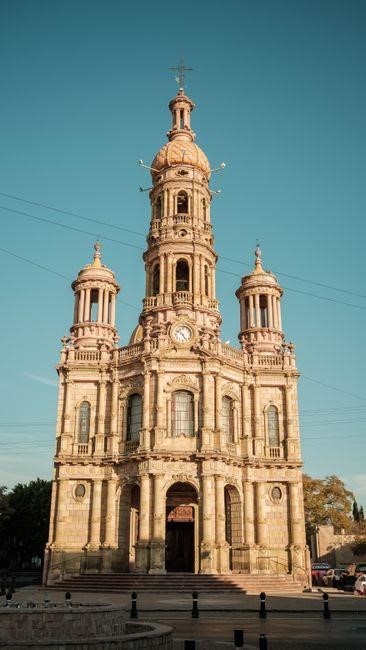
Prayer and Hymn Collections
PDFs compile daily prayers, meditations, and traditional gozos․ Villancicos accompany each night, enhancing devotion; Users can download or view online, ensuring accessibility for home or church celebrations․ The collection preserves cultural heritage and spiritual focus
Daily Prayers and Meditations
The PDF presents a concise, day‑by‑day format that guides participants through the spiritual preparation for the birth of Christ․ Each of the nine nights begins with a short opening prayer that invites the faithful to center their hearts on the mystery of the Incarnation․ Following the prayer, a brief meditation is offered, usually drawn from Scripture or the writings of the Church Fathers, to help the reader reflect on the themes of humility, hope, and love that characterize the Christmas season․
Day one opens with a prayer to the Virgin Mary, asking her intercession for a pure and joyful heart․ The meditation for that day often highlights the Annunciation and encourages believers to accept God’s will with humility․ Day two shifts focus to the shepherds, reminding participants of the humble beginnings of Jesus and urging them to recognize the presence of the divine in everyday life․
Subsequent days alternate between prayers to Mary, to Saint Joseph, and to the infant Jesus, each accompanied by a meditation that emphasizes a particular virtue—faith, obedience, gratitude, or charity․ The final day culminates in a prayer of thanksgiving, celebrating the arrival of the Savior and inviting the faithful to share the joy with their families and communities․
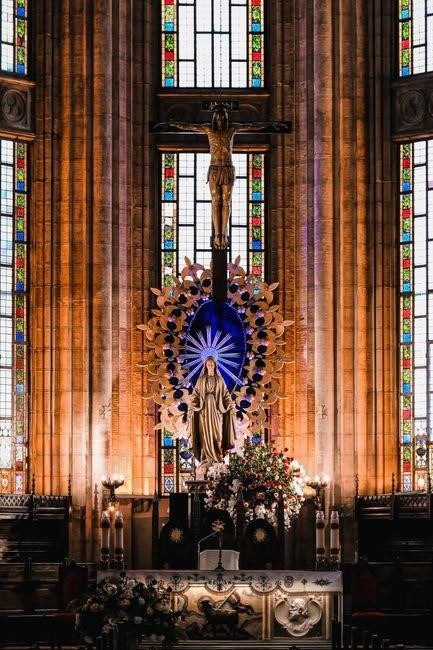
Each prayer is written in a clear, accessible style, making it suitable for both individual devotion and group recitation․ The meditations are short enough to fit into a busy schedule yet profound enough to deepen one’s spiritual awareness․ The PDF also includes optional verses and hymns that can be sung after the meditation, reinforcing the communal aspect of the novena․
By following the daily prayers and meditations in the PDF, participants can experience a structured, contemplative journey that prepares them for the Nativity celebration, fostering a sense of unity and reverence that extends beyond the nine days․
Traditional Gozos and Villancicos
In the Novena de Aguinaldos PDF, the gozos and villancicos section showcases a rich array of hymns that reflect the cultural heritage of Colombia, Venezuela, and Ecuador․ Each of the nine nights presents songs that blend biblical themes with local styles such as bambuco, pasillo, and cumbia․ The PDF supplies full lyrics, musical notation, and suggested arrangements for choir or solo․ Musicians can access sheet music in standard notation and simplified guitar chords for informal gatherings․ The hymns are organized by day, guiding participants through the novena’s spiritual journey․ For example, Day 1 features “¡Ay, Señor, qué alegría!” and “Gloria al Niño Jesús,” while Day 9 culminates with “Canta el Niño” and “Bendito sea el Niño․” The PDF also includes background commentary on each song’s origin, enriching the worship experience․ Audio files in MP3 format are provided for each villancico, allowing users to hear the melodies before singing․ This feature helps newcomers practice correct pronunciation of Spanish lyrics․ The collection encourages community participation: families can gather in homes or churches, singing together while following the PDF’s step‑by‑step guidance․ By preserving these musical treasures digitally, the Novena de Aguinaldos PDF keeps the gozos and villancicos accessible to future generations, fostering a living tradition that celebrates Jesus’s birth with song and devotion․ Listeners are invited to share their favorite verses online, creating a virtual choir that bridges borders and unites hearts in joyous anticipation of the Nativity․
Practical Guidance for Home Celebrations
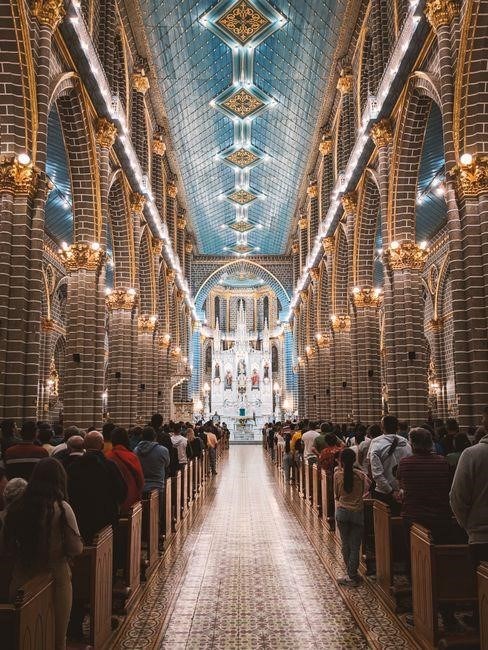
Set a daily routine: choose a quiet time each evening, light a candle, read the PDF prayer, sing a villancico, and share a simple snack․ Keep a notebook for reflections, and invite family members to rotate leading the prayer․ Consistency builds anticipation and strengthens faith․ Share joy and gratitude now․!!!
Setting Up a Novena Schedule
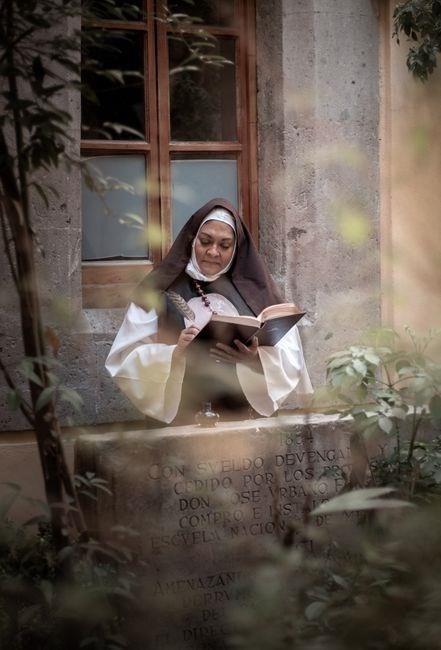
Planning a Novena de Aguinaldos schedule begins with a clear visual map of the nine nights․ Mark December 16 through December 24 on a wall calendar or digital planner․ Assign a consistent nightly time—15–20 minutes—when the family opens the PDF, reads the daily prayer, and sings the villancico․ If the PDF is stored on a tablet or phone, set a recurring alarm that cues the start of the session․
To keep the routine engaging, rotate the setting each evening: one night in the living room, the next in the kitchen, then a quiet corner or outdoors if weather permits․ For households with young children, add a brief storytelling moment after the prayer, summarizing the day’s reflection in simple language․
Use the PDF’s structure․ The document lists the prayer, a short reflection, and a villancico for each night․ Print a copy for each family member or keep a digital version on a shared cloud folder․ If you prefer a digital format, set the PDF to auto‑scroll to the next page after the villancico to maintain flow․
Maintain a small log beside the PDF․ After each night, jot down a quick note—an insight, a feeling, or a moment of gratitude․ Over the nine days, this log becomes a tangible record of the spiritual journey, allowing the family to revisit the experience after Christmas․
Finally, plan a brief closing gathering on December 24․ Use the PDF’s final page to lead a collective celebration of the Nativity, thanking the Virgin Mary and welcoming the newborn Jesus into the home․ By structuring the Novena in this way, you create a rhythm that nurtures faith, family bonding, and a deeper appreciation for the season․
Together, this organized approach!!!!!!