Kenmore Washer Model 110 Owners Manual: A Comprehensive Guide
Welcome! This detailed manual assists owners in maximizing their Kenmore Model 110 washer’s performance, offering guidance on operation, maintenance, and troubleshooting procedures.
Congratulations on selecting the Kenmore Model 110 washing machine! This appliance represents a commitment to quality and dependable performance, designed to simplify your laundry routine. This manual serves as a comprehensive resource, guiding you through every aspect of your washer’s operation and care.
The Kenmore Model 110 is a top-loading automatic washer known for its robust construction and user-friendly features. Whether you’re a first-time washer owner or experienced with laundry appliances, this guide will provide valuable insights. It covers essential topics, from understanding the various components to performing routine maintenance.
You’ll discover how to efficiently load and unload laundry, select appropriate wash cycles, and utilize the detergent dispenser effectively. Furthermore, we’ll address common issues and provide troubleshooting steps to keep your washer running smoothly for years to come. Remember to locate your specific model number for accurate information!
Locating Your Specific Model Number
Identifying your Kenmore Model 110 washer’s specific model number is crucial for accessing accurate documentation, ordering replacement parts, and receiving tailored support. The model number is a unique identifier that distinguishes your appliance from others within the Model 110 series.
Typically, you can find this number located in one of several places. First, check the appliance’s cabinet – often on a sticker or plate affixed to the inside of the lid, or on the back panel. It may also be printed on the original purchase documentation, such as your sales receipt or warranty card.
If you’re unable to locate the number directly on the machine, a photograph of the washer posted on online forums, like Reddit’s r/appliancerepair, can help others assist you. Having this number readily available streamlines any service requests or inquiries.
Safety Precautions and Warnings
Prioritize safety when operating your Kenmore Model 110 washer. To prevent injury or damage, always disconnect the power supply before performing any maintenance or repairs. Never operate the washer with a damaged power cord or plug. Keep children and pets away from the appliance during operation.
Avoid contact with water that has been used for washing, especially if it contains detergents or bleach, as it may cause skin irritation. Do not attempt to repair the washer yourself unless you are qualified to do so. Improper repairs can create hazards.
Ensure the washer is properly grounded to prevent electrical shock. Do not overload the washer, as this can cause damage and affect performance. Always follow the detergent manufacturer’s instructions for proper usage and dilution.
Understanding Washer Components
Explore the inner workings! This section details the key parts of your Kenmore 110 washer, including diagrams of the top, cabinet, controls, and internal mechanisms.
Top and Cabinet Diagram
Visualizing the Exterior: This diagram provides a clear overview of the Kenmore Model 110 washer’s top and cabinet features. Key components labeled include the control panel, lid/top cover, detergent dispenser location, and the overall cabinet structure. Understanding these external elements is crucial for safe and efficient operation.
Identifying Key Areas: The diagram highlights access points for maintenance, such as the detergent dispenser compartment and the lid latch mechanism. It also illustrates the placement of important safety features. Familiarizing yourself with this layout will simplify tasks like adding detergent or addressing minor issues.
Component Relationships: Note how the top cover integrates with the cabinet, ensuring a secure and stable washing environment. This diagram serves as a foundational reference point for understanding the washer’s physical construction and accessing internal parts when needed for repairs or cleaning.
Controls and Rear Panel Diagram
Mastering the Interface: This diagram details the control panel of the Kenmore Model 110 washer, illustrating each button and dial function. You’ll find explanations for cycle selections, water temperature settings, and any specialized wash options available. Understanding these controls is vital for customizing your wash cycles.
Rear Access Explained: The rear panel diagram showcases the location of essential connections, including the water inlet hoses, drain hose, and electrical power cord. It also identifies access points for internal components, useful for maintenance or repairs. Always disconnect power before accessing the rear panel!
Safety and Connections: Pay close attention to the diagram’s depiction of grounding points and safety features. Proper connection of water and electrical supplies is paramount for safe operation. This diagram serves as a crucial reference for setup and troubleshooting connection-related issues.
Agitator, Basket, and Tub Diagram
Inside Your Washer: This detailed diagram provides a clear view of the Kenmore Model 110’s internal washing components. It specifically highlights the agitator – responsible for creating the washing action – the perforated basket that holds your laundry, and the outer tub which contains the water.
Component Relationships: Understanding how these parts interact is key to diagnosing issues. The diagram illustrates the agitator’s connection to the transmission and the basket’s suspension system within the tub. Note the location of any drain pathways or filters.
Maintenance Focus: This visual guide aids in identifying areas prone to lint buildup or potential obstructions. Regular inspection of these components can prevent performance issues and extend the life of your Kenmore washer. Always disconnect power before any internal inspection!
Operating Instructions
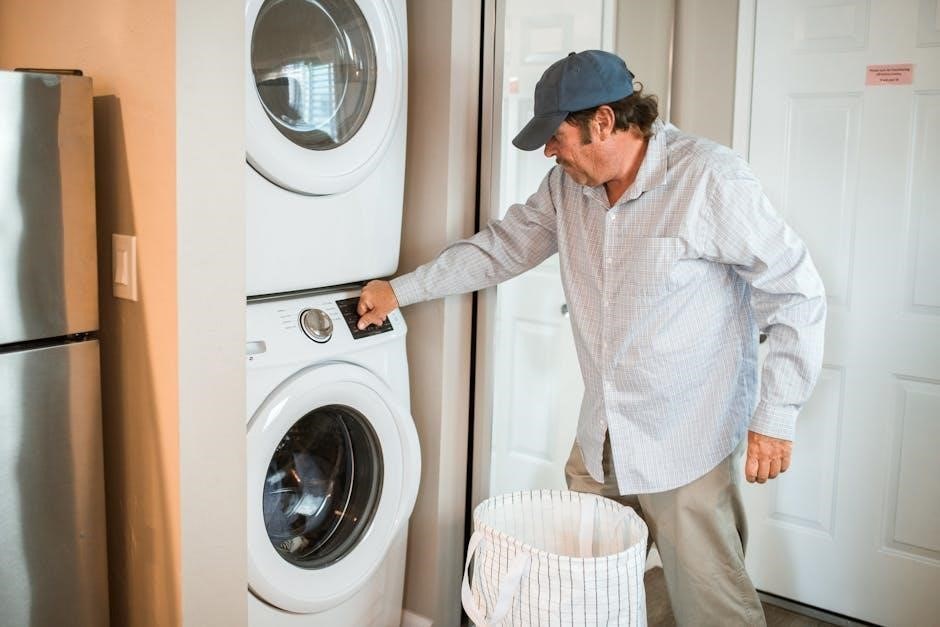
Begin Washing: Properly load laundry, select the appropriate wash cycle and water temperature, and add detergent using the dispenser for optimal cleaning results.
Loading and Unloading the Washer
Proper Loading: To ensure effective cleaning and prevent damage, distribute laundry evenly around the agitator. Avoid overloading, as this restricts movement and reduces washing efficiency. Smaller loads generally clean better.
Load Size Guidelines: For best results, fill the washer drum no more than three-quarters full. Separate items by fabric type and color before loading. Delicate items should be placed in a mesh laundry bag for protection.
Unloading Procedures: Once the wash cycle is complete, promptly remove clean laundry to prevent mildew and wrinkles. Check the drum for any forgotten items. Always unplug the washer before performing any maintenance or cleaning.
Safety First: Be mindful of hot water and moving parts during loading and unloading. Never reach into a running washer.
Detergent Dispenser Guide
Detergent Types: The Kenmore Model 110 washer is compatible with both liquid and powder detergents. However, always use High Efficiency (HE) detergents to prevent excessive sudsing and maintain optimal performance. Non-HE detergents can damage the machine.
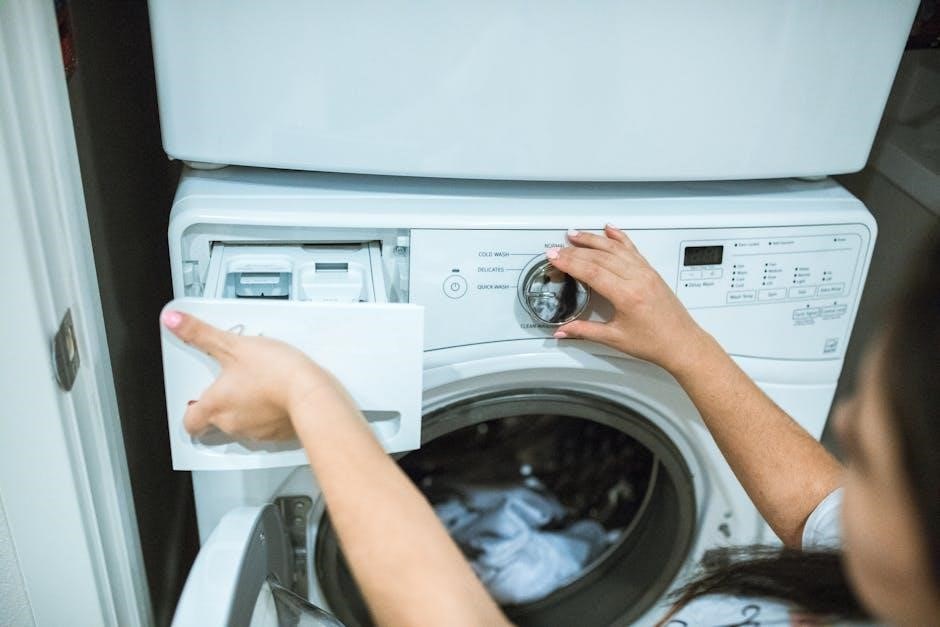
Dispenser Compartments: Locate the detergent dispenser drawer, typically found on the control panel. It usually features separate compartments for pre-wash detergent, main wash detergent, and fabric softener.
Proper Usage: Fill each compartment to the indicated maximum fill line. Avoid overfilling, as this can cause detergent to dispense prematurely. For liquid bleach, dilute with water before adding to the designated compartment.
Regular Cleaning: Periodically clean the detergent dispenser to prevent buildup and ensure proper dispensing. Remove the drawer and rinse thoroughly with warm water.
Wash Cycle Selection
Cycle Options: The Kenmore Model 110 offers a variety of wash cycles to accommodate different fabric types and soil levels. Common cycles include Normal/Regular, Delicates, Permanent Press, Heavy Duty, and Quick Wash. Consult the control panel for specific cycle names.
Normal/Regular: Ideal for everyday cotton and linen items with moderate soil. Delicates: Use for fragile fabrics like lingerie and silk. Permanent Press: Designed for wrinkle-resistant fabrics; Heavy Duty: Best for heavily soiled items like work clothes and towels.
Water Level Selection: Adjust the water level based on the load size. Options typically include Small, Medium, and Large. Avoid using excessive water, as it wastes resources.
Customization: Some cycles allow for customization of wash speed and rinse options. Refer to the control panel display for available settings.
Water Temperature Settings
Temperature Options: The Kenmore Model 110 washer provides several water temperature settings to suit various fabrics and washing needs. These typically include Hot, Warm, and Cold. Selecting the correct temperature is crucial for effective cleaning and preventing damage.
Hot Water: Best for whites, heavily soiled items, and durable fabrics. It provides the most effective cleaning but can cause colors to fade. Warm Water: Suitable for most colored fabrics and moderately soiled items. It balances cleaning power and color preservation.
Cold Water: Recommended for delicate fabrics, bright colors, and lightly soiled items. It minimizes fading and shrinking. Temperature Considerations: Always check garment care labels before selecting a water temperature.
Energy Saving: Using cold water can significantly reduce energy consumption. Consider using cold water for most loads whenever possible.
Maintenance and Troubleshooting
Regular upkeep ensures optimal performance and longevity of your Kenmore 110 washer; this section details cleaning procedures and solutions to common operational issues.
Cleaning the Washer
Maintaining a clean washer is crucial for preventing odors and ensuring efficient operation. Regularly wipe down the exterior surfaces with a damp cloth and mild detergent. For the interior, run an empty wash cycle with hot water and a cup of white vinegar monthly to remove residue buildup.
Pay close attention to the detergent dispenser; remove and clean it periodically to prevent clogs. Inspect the rubber door seal (if applicable) for mold or mildew, cleaning it with a bleach solution (diluted appropriately) if necessary.
Additionally, check and clean the lint filter regularly, as a clogged filter can reduce washing performance. Avoid using abrasive cleaners, as they can damage the washer’s finish. A clean washer contributes to cleaner clothes and a longer appliance lifespan.
Troubleshooting Common Issues
If your Kenmore Model 110 washer isn’t draining, first check the drain hose for kinks or obstructions. A clogged drain pump is another frequent cause; access and inspect it for debris; For issues with the washer not starting, verify the power cord is securely plugged in and the lid switch is functioning correctly.
Excessive vibration can often be resolved by ensuring the washer is level and the load is balanced. If you encounter error codes, consult the full owner’s manual (available online as a PDF) for specific interpretations;
Remember to disconnect power before attempting any repairs. If problems persist, contacting a qualified appliance technician is recommended for safe and effective solutions.
Replacing the Water Inlet Hoses
Before replacing the water inlet hoses on your Kenmore Model 110, always disconnect both the power supply and the existing water connections to prevent electrical shock and water damage. Locate the hoses at the back of the washer, connected to both the water supply valves and the machine itself.
Carefully unscrew the old hoses, noting the hot and cold water connections. When installing the new hoses, ensure a tight, leak-proof connection at both ends. Use Teflon tape on the threads for added security.
Inspect the new hoses for any defects before installation. After reconnecting, slowly turn on the water supply and check for leaks.
Checking the Drain Pump
To check the drain pump on your Kenmore Model 110, first disconnect the washer from the power supply. Locate the drain pump, typically at the lower front or side of the machine, requiring access panel removal. Inspect the pump for any visible obstructions like lint, coins, or small articles of clothing.
Carefully remove any debris found within the pump housing; You can then manually turn the pump impeller to ensure it rotates freely. If the impeller is stuck or difficult to turn, the pump may be faulty and require replacement.
Reconnect the power and briefly run a drain cycle to test the pump’s functionality. Listen for unusual noises, indicating a potential issue.
Technical Specifications
Detailed specifications include dimensions, weight, electrical requirements, and water usage information for the Kenmore Model 110 washer, aiding informed decision-making.
Dimensions and Weight
Understanding the physical characteristics of your Kenmore Model 110 washer is crucial for proper installation and ensuring it fits comfortably within your laundry space. While specific dimensions can vary slightly depending on the exact model number within the 110 series – such as 110;22352512 or 110.25852400 – general guidelines apply.
Typically, the washer stands approximately 39 inches in height, 27 inches in width, and 28 inches in depth. These measurements are essential when planning for clearances around the appliance, allowing for adequate ventilation and access for maintenance. The approximate weight of the Kenmore Model 110 washer generally falls between 150 and 170 pounds. This substantial weight is due to the robust construction and internal components, including the motor, tub, and agitator. Always consider this weight when moving or installing the washer, and utilize appropriate lifting techniques or assistance to prevent injury.
Electrical Requirements
Ensuring correct electrical connection is paramount for the safe and efficient operation of your Kenmore Model 110 washing machine. This appliance is designed to operate on a standard 120-volt, 60-Hz AC electrical supply. A dedicated 15-amp circuit is generally recommended to prevent overloading and potential electrical hazards.
The Kenmore 110 typically draws between 3 to 5 amps during operation, but peak current draw may occur during the spin cycle. It is crucial to avoid using extension cords, as they can pose a fire risk and may not provide sufficient power. The washer must be properly grounded to minimize the risk of electric shock. Always verify that the electrical outlet is in good working condition and meets local electrical codes. If you are unsure about any aspect of the electrical connection, consult a qualified electrician for assistance.
Water Usage Information
Understanding water consumption is vital for efficient laundry practices with your Kenmore Model 110 washer. Water usage varies depending on the selected wash cycle and load size. Typically, this model utilizes approximately 25 to 40 gallons of water per load, though high-efficiency cycles may consume less.

Factors influencing water usage include the water level setting (automatic or manual), the wash cycle chosen (delicate, normal, heavy duty), and whether hot, warm, or cold water is selected. To conserve water, always wash full loads whenever possible and utilize the appropriate water level setting for the load size. Regularly check water inlet hoses for leaks and ensure proper connections to prevent water waste. Consider using cold water for most washes, as it reduces energy consumption and is often sufficient for cleaning.
Resources and Support
Need assistance? Online resources, including downloadable PDF manuals and service/tech manuals, are readily available via the Internet Archive and Reddit communities.
Finding the Service/Tech Manual Online
Locating technical documentation for your Kenmore Model 110 washer is often surprisingly straightforward in today’s digital age. Many users have successfully found service and technical manuals through online searches. A simple Google search using “pdf manual Kenmore 110.22352512” frequently yields results, directing you to downloadable files.
Furthermore, the Internet Archive is a valuable resource, hosting digitized versions of older manuals – specifically, the Kenmore_110.25852400_Washer_User_Manual is available there. Reddit’s r/appliancerepair community is also incredibly helpful; posting a photo of your machine can assist members in pinpointing the correct manual for your specific model; Remember to mark your issue as “Solved” once you’ve found the information you need, contributing to the community’s knowledge base.
Downloading the Owners Manual (PDF)
Accessing a digital copy of your Kenmore Model 110 owner’s manual is convenient and readily available. Several online platforms host these documents in PDF format for easy download and viewing. The Internet Archive provides access to the Kenmore 110.25852400 Washer User Manual, offering a comprehensive guide to your appliance.
Searching online using your specific model number (e.g., Kenmore 110.22842100) will also reveal downloadable PDF files, often containing the complete owner’s manual. These manuals typically cover essential information, including operating instructions, maintenance tips, and troubleshooting guidance. Ensure the downloaded file is from a reputable source to guarantee accuracy and safety. Having a digital copy allows for quick reference and eliminates the risk of losing a physical manual.